Traditional Italian Cuisine And Pasta Dishes
The global food landscape is shifting faster than ever, and yet Italian cuisine keeps pulling people back into its timeless rhythm. From street-side trattorias in Rome to digital marketplaces delivering gourmet kits worldwide, there’s a growing hunger for authenticity that feels almost emotional. People aren’t just eating anymore, they’re searching for stories behind every plate, every simmering sauce, every hand-rolled strand of pasta.
Right at the center of this culinary movement sits regional Italian food styles, shaping how modern consumers explore food across global marketplaces. These styles are no longer confined to geography; they’ve become digital assets of culture, influencing how chefs, home cooks, and food platforms design experiences around authenticity and origin.
Foundations of Traditional Italian Cuisine
Italian cuisine isn’t just a collection of recipes, it’s a living ecosystem shaped by centuries of migration, trade, and local wisdom. Before diving into specific dishes, it’s important to understand how deeply rooted traditions continue to influence what appears in today’s global food marketplaces.
The rise of global culinary platforms has made authentic pasta preparation methods more accessible than ever, allowing home cooks to reconnect with techniques once guarded within Italian households. This rediscovery is not just culinary, it’s cultural revival through taste.
In fact, food historian Carlo Petrini once said, “Eating is an agricultural act,” emphasizing how every ingredient choice reflects a deeper connection to land and tradition. This idea continues to shape how modern audiences interpret Italian cuisine in digital marketplaces.
Regional influences across Italy
Italy’s culinary identity shifts dramatically from north to south, almost like crossing multiple countries within one border. Northern Italy leans into butter, cream, and rice-based dishes, while southern regions celebrate olive oil, tomatoes, and bold herbs. These regional Italian food styles have become a major attraction in global food marketplaces, where consumers now actively search for origin-specific ingredients and recipes.
Importance of seasonal ingredients
Seasonality plays a crucial role in Italian cooking, where ingredients are chosen at their peak rather than stored or modified. This approach enhances flavor naturally and supports sustainability. The concept aligns strongly with modern Mediterranean cuisine trends, where freshness is not optional, it’s essential. Today’s digital food platforms increasingly highlight seasonal sourcing as a premium value.
Cultural heritage behind classic recipes
Every Italian recipe carries generational memory. From handwritten notes passed down in families to techniques learned through observation rather than instruction, these dishes preserve cultural identity. The preservation of traditional Italian food culture ensures that even as recipes evolve globally, their essence remains intact.
Classic Italian Pasta Dishes You Should Know
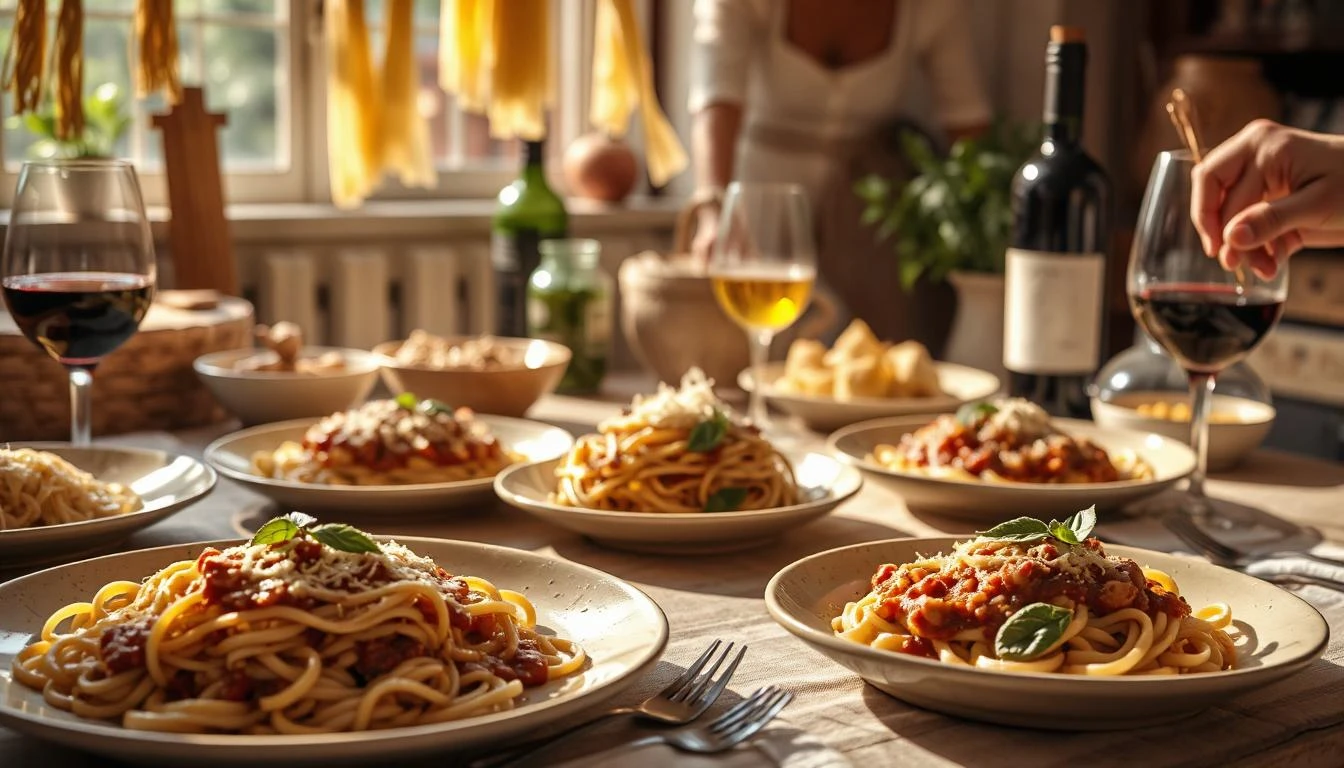
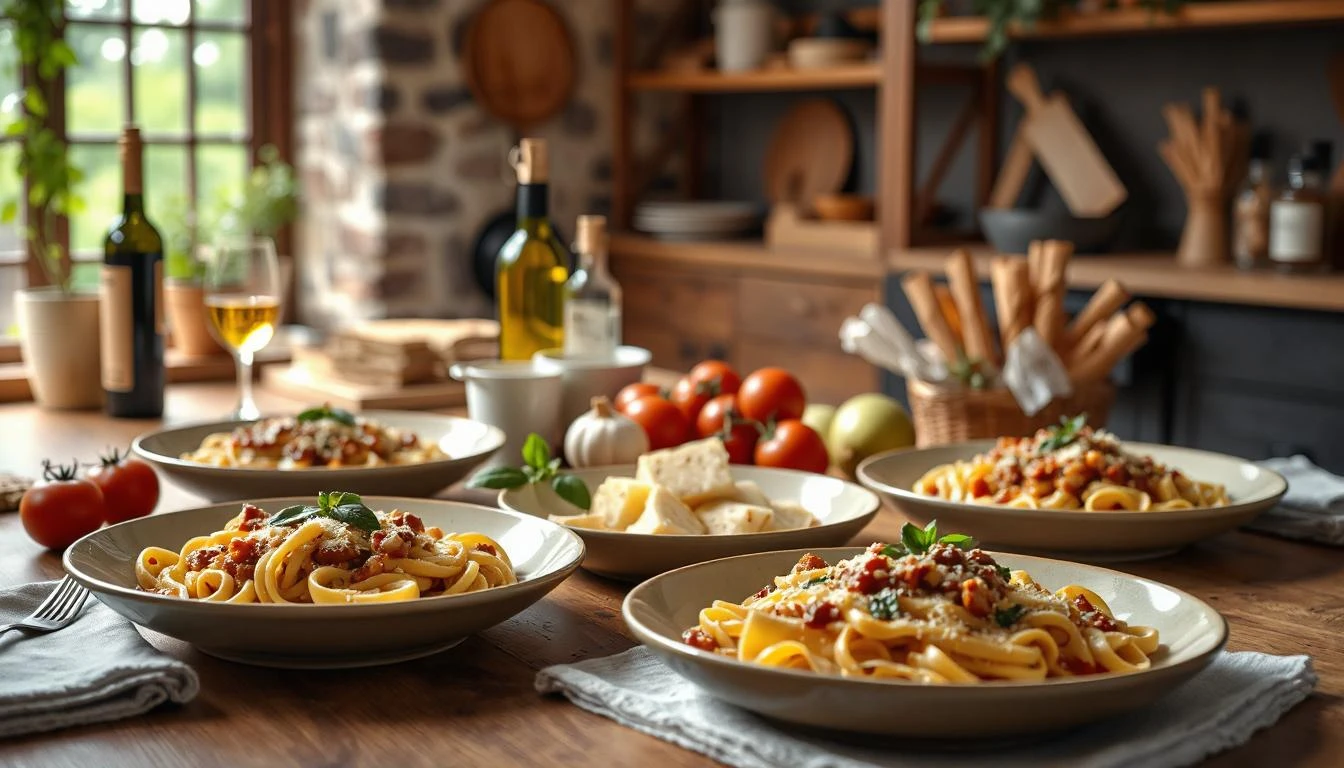
Italian pasta is more than comfort food, it is cultural expression shaped by geography and history. In global marketplaces, pasta remains one of the most searched culinary categories, reflecting its universal appeal and adaptability.
The growing interest in regional Italian food styles continues to influence how pasta dishes are interpreted worldwide, from premium restaurant menus to at-home cooking kits designed for authenticity seekers.
Spaghetti Carbonara and its origins
Spaghetti Carbonara is one of Rome’s most iconic dishes, yet also one of the most misunderstood. Traditionally made with eggs, pecorino cheese, guanciale, and black pepper, it reflects precision and restraint. The increasing demand for authentic pasta preparation methods has helped restore its original identity in global food platforms, stripping away unnecessary modern alterations.
Chef Massimo Bottura once stated, “Carbonara is a conversation between heat and timing, not cream and shortcuts,” reinforcing the importance of technique over excess.
Lasagna layers and traditional preparation
Lasagna represents architectural cooking at its finest. Layers of pasta, ragù, and béchamel create a structured yet comforting dish that varies widely across Italian regions. Its complexity makes it a highlight in Italian culinary heritage experiences, especially in curated gourmet marketplaces offering regional kits.
Pasta al Pomodoro simplicity
At its core, Pasta al Pomodoro is a lesson in restraint. Tomatoes, basil, olive oil, and pasta come together without unnecessary complexity. This dish reflects the philosophy of Mediterranean cooking simplicity, where fewer ingredients produce deeper emotional impact.
Authentic Cooking Methods in Italian Kitchens
Italian cooking methods prioritize patience and respect for ingredients. In a world of instant meals, these traditions feel almost revolutionary. Global food marketplaces are now rediscovering these techniques as part of a broader return to authenticity.
Slow cooking techniques for rich flavor
Slow cooking is essential for developing depth in sauces and stews. Hours of simmering allow flavors to merge naturally, creating richness that cannot be rushed. This method aligns with the philosophy behind slow food movements, now widely adopted in premium culinary subscription services.
Handmade pasta traditions
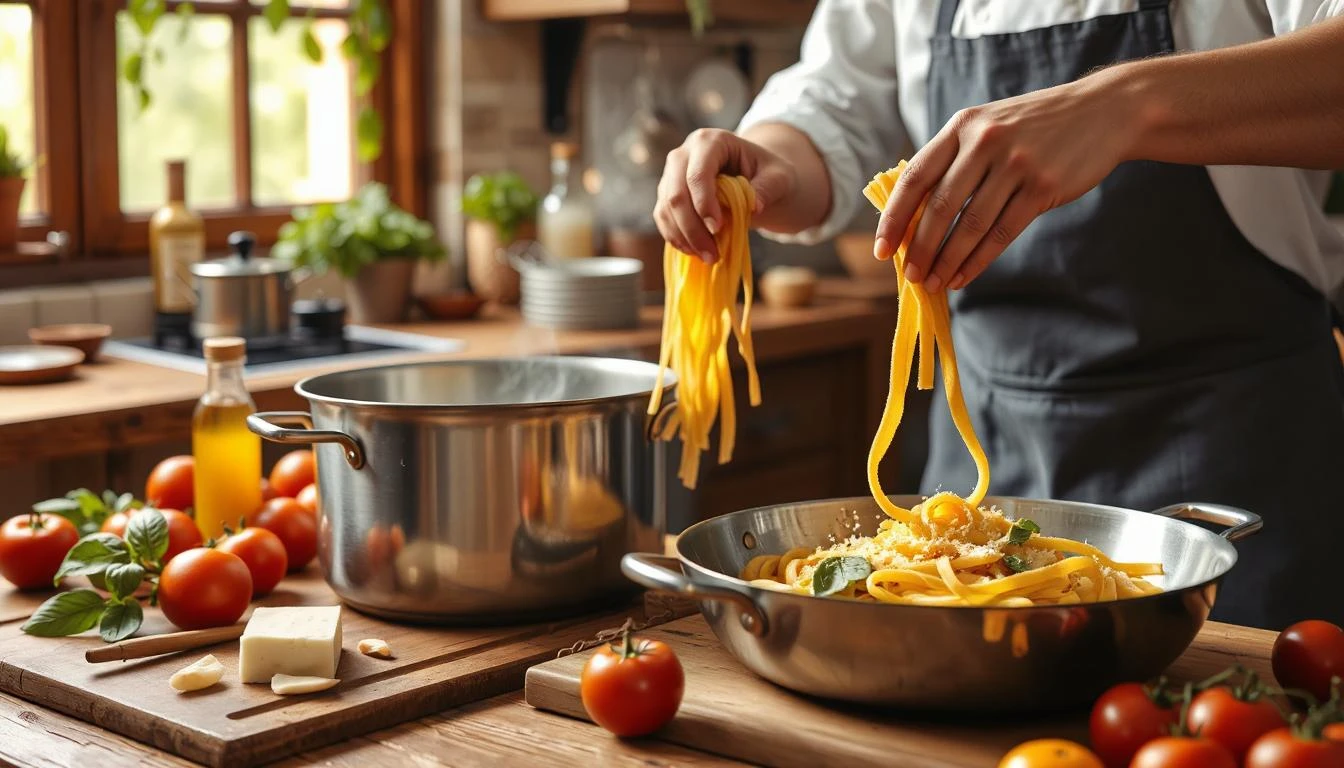
Handmade pasta remains one of Italy’s most treasured culinary practices. From tagliatelle to orecchiette, each shape tells a regional story. The demand for handmade pasta techniques at home has surged in global marketplaces, where consumers seek hands-on cooking experiences rather than ready-made products.
Use of olive oil and simple seasoning
Olive oil is more than an ingredient, it is cultural identity in liquid form. Combined with minimal seasoning, it allows natural flavors to shine. This approach reflects the essence of traditional Italian cooking philosophy, where simplicity is the ultimate sophistication.
Discover the Authentic Taste of Italian Tradition Today
The modern food marketplace is evolving into a cultural exchange hub where tradition meets technology. Italian cuisine stands at the forefront of this transformation, offering both emotional depth and culinary precision.
As global consumers explore regional Italian food styles, they are not just buying ingredients, they are engaging with centuries of heritage translated into modern accessibility. This shift is redefining how authenticity is valued in digital culinary ecosystems.
Food writer Anna Del Conte once noted, “Italian cooking is not about complexity, but about honesty,” a reminder that simplicity often carries the deepest meaning in gastronomy.
The continued rise of authentic pasta preparation methods across online marketplaces shows a clear trend: people want to cook with intention, not just convenience. This evolution signals a return to mindful cooking practices that prioritize connection over speed.