Classic Italian Recipes And Pasta Culture
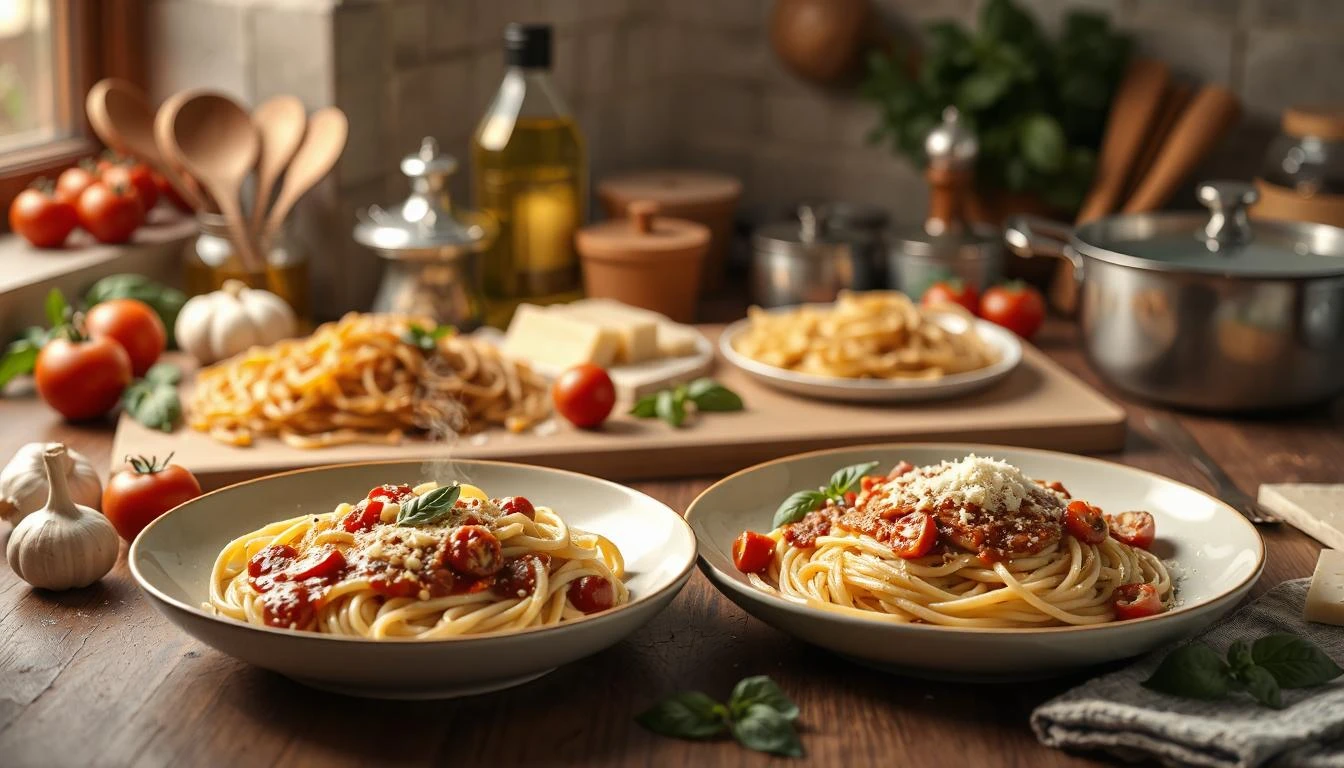
Italian cuisine is not just about food on a plate, it is a living narrative shaped by centuries of human rhythm, rural wisdom, and emotional connection. When you look closely, every strand of pasta tells a story of patience, geography, and family memory that still breathes in modern kitchens today.
What makes this culinary universe even more fascinating is how heritage Italian cooking methods continue to guide both traditional households and global chefs in interpreting authenticity. It is not simply about recipes, but about preserving identity through technique, temperature, timing, and touch that has been refined across generations.
Across Italy, food is never rushed; it is experienced. And this is where curiosity begins to grow, how can something so simple become so culturally powerful? The answer unfolds through pasta, tradition, and the lifestyle that surrounds it.
The Cultural Roots of Italian Pasta
Italian pasta culture is deeply woven into everyday life, shaping how people eat, gather, and remember. Before diving into recipes, it is essential to understand that pasta is not just cuisine, it is cultural language expressed through texture, flavor, and ritual.
The evolution of Italian pasta reflects centuries of adaptation, trade, and regional pride. To truly understand it is to understand how food becomes identity in a country where every village has its own culinary dialect.
Supporting concept: pasta tradition and lifestyle food reflects how Italians integrate meals into daily rhythms, not as an interruption but as a continuation of life itself.
History of pasta in Italian cuisine
The history of pasta in Italy is layered like sedimentary rock, formed through Roman agricultural practices, Arab influences, and Mediterranean trade routes. Over time, heritage Italian cooking methods refined these early inspirations into structured culinary traditions that define Italian identity today.
Food historian Alberto Grandi once explained, “Italian cuisine is a mirror of migration, adaptation, and cultural resilience,” emphasizing how pasta evolved beyond sustenance into storytelling. It became a symbol of continuity, surviving wars, economic shifts, and modernization while still holding its traditional essence.
Regional pasta variations across Italy
Italy’s geography plays a powerful role in shaping pasta diversity. In the north, creamy sauces and butter dominate due to colder climates, while the south favors olive oil, tomatoes, and bold spices shaped by sun-rich agriculture.
This diversity connects strongly with regional Italian gastronomy, where each region preserves its own pasta shapes, sauces, and rituals. From orecchiette in Puglia to tagliatelle in Emilia-Romagna, each dish reflects local identity encoded in flavor.
Family traditions and food culture
Italian pasta culture thrives most vividly in family kitchens, where recipes are not written but remembered. Grandmothers teach by touch, not measurement, passing down heritage Italian cooking methods through lived experience.
Sociologist Carlo Petrini, founder of the Slow Food movement, once said, “Food is a cultural act, not a commodity,” highlighting how Italian meals preserve emotional continuity. This philosophy transforms dining into heritage preservation, where every shared table becomes a living archive.
Classic Italian Recipes That Define the Culture
Classic Italian recipes are not merely dishes, they are cultural artifacts shaped by history, geography, and human emotion. Each recipe carries a signature of tradition that continues to influence global cuisine.
The beauty of Italian cooking lies in its balance between simplicity and depth, where minimal ingredients produce maximum emotional impact.
Ravioli and stuffed pasta traditions
Ravioli represents craftsmanship at its most delicate form. Thin pasta sheets filled with cheese, meat, or vegetables require precision and patience rooted in heritage Italian cooking methods.
A long-tail culinary insight often searched is “how to make authentic stuffed Italian ravioli at home,” reflecting global fascination with handmade pasta traditions that prioritize skill over speed.
Fettuccine Alfredo and global influence
Fettuccine Alfredo began as a Roman comfort dish but evolved into a global icon. Its transformation outside Italy shows how culinary identity can shift across cultures while maintaining emotional recognition.
Chef Massimo Bottura once noted, “Tradition is not repetition; it is evolution with respect,” capturing how heritage Italian cooking methods adapt while preserving authenticity.
Gnocchi as a comfort food classic
Gnocchi represents softness in both texture and emotion. Made from potatoes and flour, it reflects rural ingenuity and the philosophy of making something extraordinary from simplicity.
This dish is closely tied to Mediterranean diet lifestyle, emphasizing balance, comfort, and nourishment without excess.
The Role of Pasta in Italian Lifestyle
Pasta is not a side dish in Italy, it is a central rhythm of life. It defines lunch breaks, family gatherings, and seasonal celebrations with remarkable consistency.
The cultural importance of pasta lies in its ability to connect people emotionally while sustaining physical nourishment.
Pasta in daily Italian meals
In daily life, pasta is typically served as a primo piatto, balancing nutrition and satisfaction. The continued use of heritage Italian cooking methods ensures that even simple meals maintain cultural depth.
Modern dietary discussions often link Italian eating habits with longevity, reinforcing how traditional food systems align with wellness.
Social and family dining traditions
Meals in Italy are not rushed events, they are extended social experiences filled with conversation and shared memory. This reflects the essence of pasta tradition and lifestyle food, where eating becomes an act of connection rather than consumption.
Families often spend hours at the table, reinforcing emotional bonds and cultural continuity through shared dishes.
Celebration dishes and festivals
Festivals across Italy elevate pasta into ceremonial significance. Weddings, harvest celebrations, and religious holidays all feature signature pasta dishes that symbolize abundance and unity.
These traditions showcase how food becomes ritual, reinforcing identity through taste and gathering.
Join the Journey into Authentic Italian Pasta Culture Today
Exploring Italian pasta culture is like stepping into a living museum where every dish has a voice. The continued relevance of heritage Italian cooking methods shows that tradition is not frozen in time, it evolves while staying rooted in meaning.
Food anthropologist Massimo Montanari once said, “Cuisine is history you can taste,” reminding us that every plate carries centuries of human experience. This perspective transforms pasta from a meal into a cultural encounter.
Now the question shifts to you, how deeply are you willing to experience food beyond flavor?